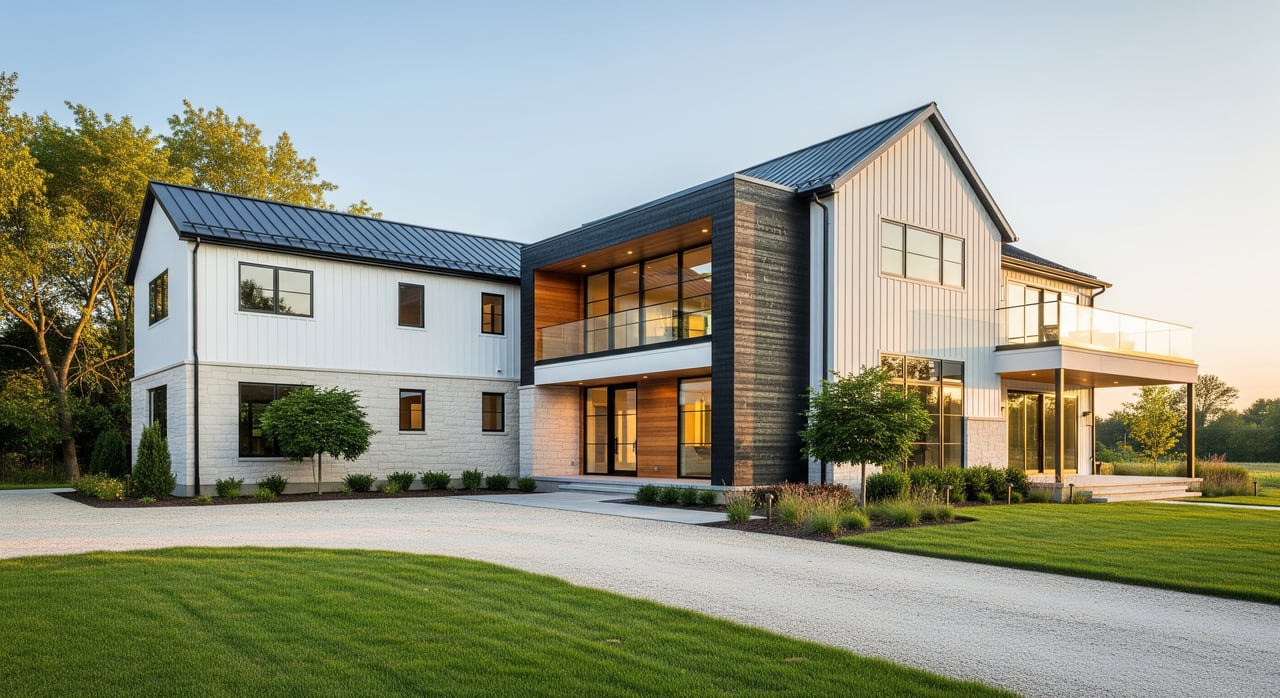
Thinking about building a new home in Monclova? You are not alone. New construction around Lucas County is popular, but the details can feel overwhelming if you are comparing builders, lots, permits, and timelines for the first time. This guide breaks down what matters most in Monclova Township so you can plan with confidence, avoid common surprises, and enjoy a smooth build from contract to closing. Let’s dive in.
Builder paths in Monclova
Choosing the right builder path shapes your timeline, budget, and design control. Here is how the most common options compare.
Spec homes
Speculative homes are built without a committed buyer. You can often close quickly since the home is complete or near-finished. You will usually pick from a limited set of finishes. Timelines can be as short as 1 to 6 months depending on permit status and how close the home is to completion.
Semi-custom homes
You start with the builder’s plan library and personalize finishes and some features. Expect 5 to 10 months from contract to move-in. Pricing reflects your selections, plus any lot premium and site work.
Fully custom homes
You design a one-of-a-kind home with an architect or custom builder. Total time often runs 9 to 18 months or more. Custom builds involve more decision points, greater design time, and more variability from site conditions and plan revisions.
Key questions to ask a builder
- What is the written build timeline for this lot and plan, including permitting and utility hookups?
- What portion of the price is base versus options, lot premium, and required site work?
- How are change orders handled, and what are the typical fees and lead times?
- What written warranties do you provide, and how does the service process work?
- Which permits and inspections are included versus the buyer’s responsibility?
- Are you the builder of record for any HOA or common-area improvements?
Budget and financing basics
New construction pricing has moving parts. Understanding them early keeps your budget on track.
What goes into the price
- Base price for the plan and standard finishes.
- Options and allowances for upgraded cabinets, flooring, tile, lighting, and appliances.
- Lot premium based on location, size, views, and orientation.
- Site work such as excavation, foundation adjustments, grading, drainage, and drive or utility extensions.
- Utility connections or private systems. Tap fees, septic, or well costs vary by lot.
- Permit and impact fees, landscaping, and final grading.
How you finance it
- Spec and many semi-custom purchases use a standard mortgage at closing.
- Custom projects often use a construction-to-permanent loan or a standalone construction loan. These involve draw inspections, different closing costs, and interest during construction.
- Work with lenders who have experience with Lucas County new builds. Confirm how and when your construction loan converts to a permanent mortgage.
Warranties and service
Many builders follow a common warranty structure: 1 year for workmanship, 2 years for systems, and 10 years for structural components. Always get the warranty in writing, including how to submit service requests and what is excluded.
Permits and utilities in Lucas County
Monclova Township sits within a patchwork of local jurisdictions. Permit authority and utility availability can change by street or subdivision.
Who approves your plans
- Confirm whether your lot is in unincorporated Monclova Township or within a nearby municipality. Jurisdiction determines who reviews your permits and inspections.
- Contact the township or county office for setback rules, lot coverage, and any local overlays.
- Build timelines can shift with permit review and utility coordination, so factor in a buffer.
Septic, well, and municipal service
- Not all lots are served by public sewer or water. Many suburban and semi-rural sites rely on septic systems and sometimes private wells.
- Ask for soil tests and perc test results. Confirm septic permits and required setbacks with the local health district.
- Verify water and sewer providers and the cost of tap or impact fees if service is available.
- Confirm electric and gas providers and whether service extensions or transformers add cost.
Floodplain and environmental checks
- Review county floodplain maps and ask if the lot is near wetlands or has conservation easements.
- Floodplain or wetland conditions can reduce buildable area and may require engineered solutions or additional approvals.
Roads and public improvements
- New subdivisions often include curbs, sidewalks, storm sewers, and streetlights.
- Confirm who pays for and maintains these improvements. Some streets are public while others remain private and maintained by the HOA.
Fees to anticipate
- Building permits, water and sewer tap fees, stormwater fees, and possible impact fees.
- HOA initiation fees and assessments where applicable.
- Request an itemized estimate of all fees from your builder.
Choosing the right lot
Picking the lot is just as important as picking the plan. Use this checklist before you commit.
Lot due diligence checklist
- Sewer and water availability. If not available, confirm septic and well requirements and test results.
- Elevation and drainage. Ask for the grading plan and where stormwater flows.
- Floodplain and wetlands. Verify status and any buffers or restrictions.
- Easements and setbacks. Know your building envelope and driveway options.
- Soil and geotechnical conditions. Clay-heavy soils can affect foundations and drainage strategies.
- Orientation and sun exposure. Consider energy use, snow melt, patio placement, and garage orientation.
- Trees and landscaping. Understand preservation or replanting requirements.
- Road noise and future development. Check proximity to arterials and planned nearby projects.
- Schools and services. Confirm school district boundaries, emergency services proximity, and commute routes.
- Lot premium and resale. Corner, cul-de-sac, view, or water-adjacent lots often carry premiums and can aid resale.
Builder lot vs independent lot
- Builder-assigned lot. Home and lot are priced together. Convenience is high, but customization of site work may be limited by the builder’s standards.
- Independent lot purchase. You buy the lot first, then hire the builder. This adds coordination and holding costs but can increase flexibility.
- Ask for the recorded plat, legal description, site plan, and any recorded covenants before you finalize your lot choice.
HOA and architectural review
Many Monclova-area subdivisions have homeowners associations that regulate design and maintenance. Know the rules before you design.
What to review
- Covenants, conditions and restrictions. Minimum square footage, exterior materials, parking, fencing, outbuildings, and landscaping standards are common.
- Architectural Review Committee. Confirm submission requirements, design review fees, and approval timelines. Plan ahead if you want exterior customizations.
- HOA fees and assessments. Understand dues, potential special assessments, budget reserves, and whether dues escalate annually.
- Developer control period. Policies can change after turnover to homeowner control. Ask for the turnover plan.
Red flags to watch
- Only draft documents at contract signing. Request recorded, final covenants and bylaws.
- No clear turnover plan from the developer to homeowners.
- Large or undefined special assessment line items in the proposed budget.
Inspections and key milestones
Municipal inspections confirm code compliance. Independent inspections focus on quality and workmanship. Both matter.
Recommended independent inspections
- Pre-construction or pre-pour meeting. Confirm layout, elevation, and drainage plan.
- Footings and foundation. Inspect before concrete is poured, and again before backfill to check waterproofing, drainage, and anchoring.
- Pre-slab (if applicable). Review vapor barrier, insulation, and plumbing sleeves.
- Rough framing and structure. Verify framing and shear details before insulation.
- Rough-in mechanicals. Inspect plumbing, electrical, and HVAC before drywall.
- Insulation and air sealing. Confirm R-values, air barriers, and fireblocking.
- Pre-drywall summary. Combine framing and mechanical findings before walls close.
- Final walkthrough. Create a documented punch list for finishes and functions.
- 11-month inspection. Recheck before your first-year warranty expires.
Additional inspections to consider
- Sewer lateral scope after hookup.
- Private well water testing for bacteria and nitrates if applicable.
- Septic final inspection and as-built map for future reference.
- Radon testing, common in Ohio.
Closing day and warranty handoff
Plan for a smooth handover so small details do not become big frustrations.
Handover checklist
- Certificate of occupancy.
- Written warranty documents and clear service process.
- As-built plans, grading plan, and any energy-efficiency documents.
- Appliance manuals and serial numbers.
- Finalized HOA contacts and community rules.
- Utility setup instructions and provider contacts.
- A written punch list with completion timelines. Ask about holdback or escrow options for any incomplete items.
Financing and title details
- Construction loans require draw inspections and interim interest payments. Confirm your conversion timeline to a permanent mortgage.
- Lender appraisals may be subject to completion. Ask about any lender-required holdbacks early.
- Confirm that title is clear of developer or contractor liens before closing.
Your step-by-step plan
- Define your path. Decide between spec, semi-custom, or custom based on desired timeline and control.
- Get pre-approved. Choose a lender experienced with Lucas County new construction.
- Select your lot. Complete the due diligence checklist and confirm utilities and permits.
- Review HOA rules. Read recorded covenants, ARC guidelines, and budgets.
- Compare builders. Ask the key questions and request a written timeline and allowance schedule.
- Finalize your plan and options. Lock in selections early to minimize change orders.
- Schedule independent inspections. Book pre-pour, pre-drywall, final, and 11-month visits.
- Track permits and fees. Confirm which costs are yours and when they are due.
- Prepare for closing. Verify the CO, warranties, punch list, and title clearance.
- Plan the move. Confirm utility start dates and schedule your orientation walkthrough.
Building in Monclova can be a smart, rewarding move when you know what to expect and who to call. If you want a steady hand from lot selection through closing, reach out to Barb Wildermuth for local guidance, introductions to trusted lenders and inspectors, and calm, organized support from contract to keys.
FAQs
How long does new construction typically take in Monclova?
- Spec homes can close in 1 to 6 months, semi-custom often runs 5 to 10 months, and custom builds generally take 9 to 18 months or more depending on permits, utilities, and site conditions.
How do I confirm if a Monclova lot needs septic or has public sewer?
- Ask the builder and local health district about sewer availability and required septic permits, then review any soil and perc test results before you commit to a lot.
Do I still need an independent inspector for a brand-new home?
- Yes. Municipal inspections check code compliance, while independent inspectors focus on craftsmanship and can catch issues at pre-pour, pre-drywall, final, and 11-month stages.
What should I review before signing HOA documents for a new subdivision?
- Read recorded covenants, ARC rules, budgets, fees, and the developer turnover plan, and verify any design restrictions that affect your exterior choices or timelines.
Which loan is common for a custom home in Lucas County?
- Many custom builds use a construction-to-permanent loan that funds in draws during construction and converts to a standard mortgage at completion.